Add your promotional text...
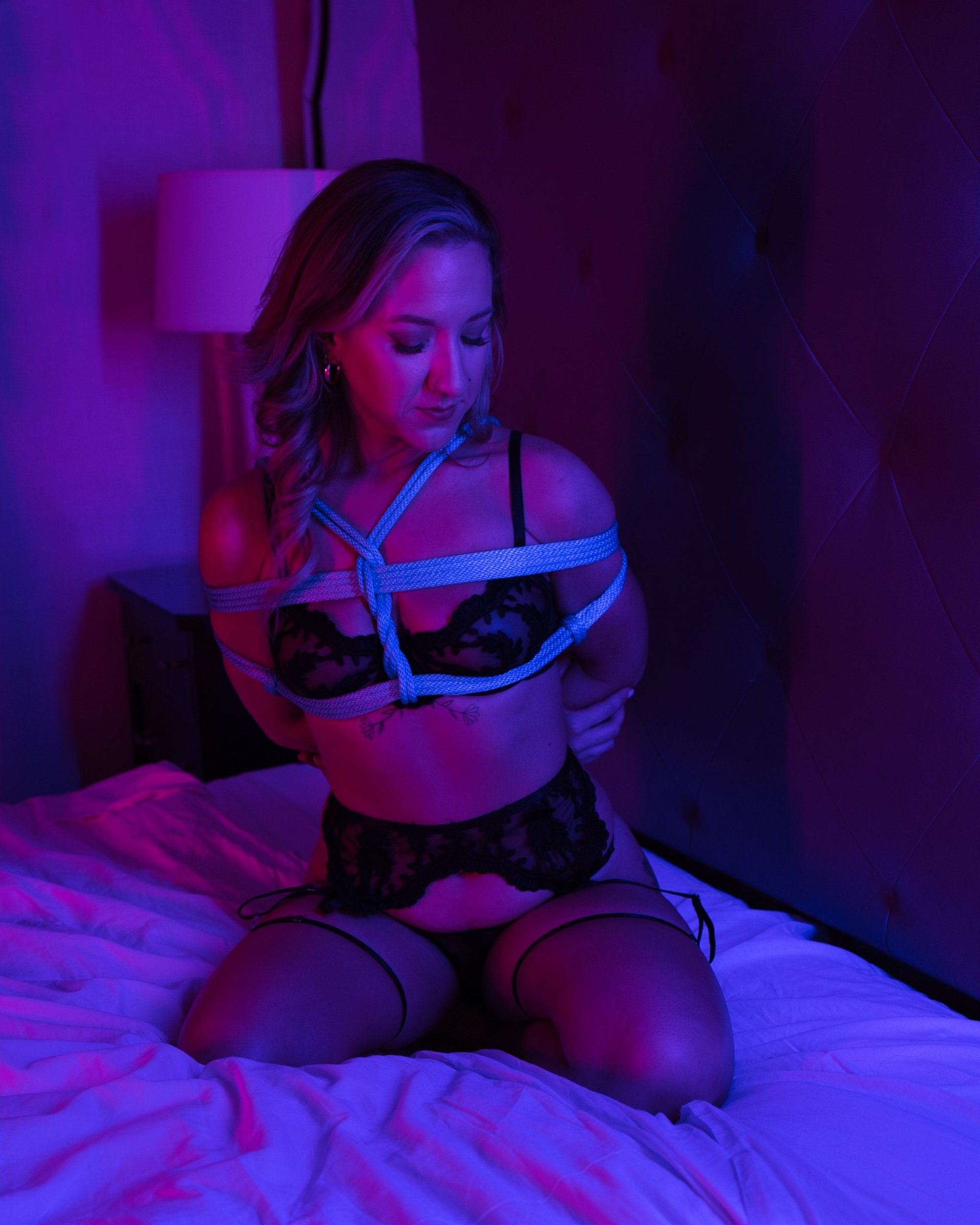
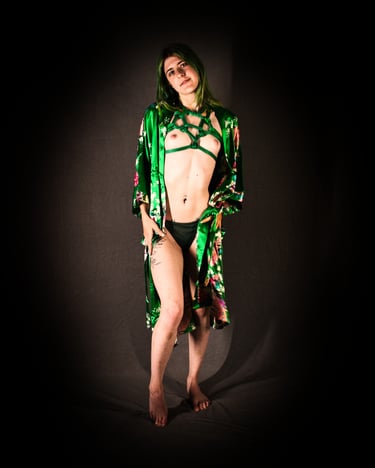
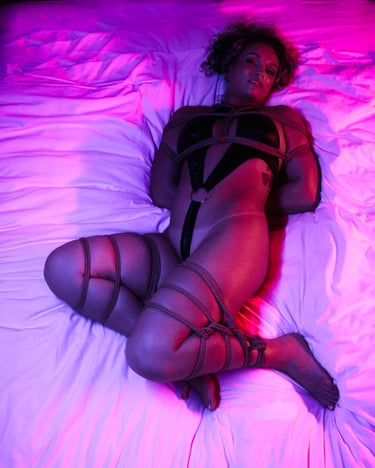
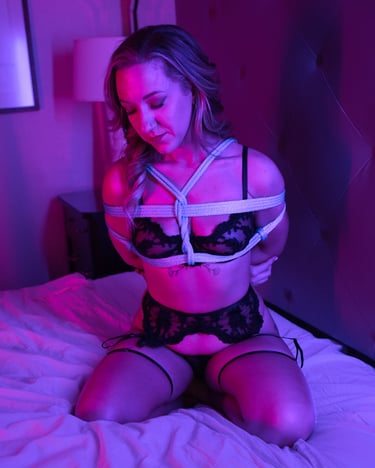
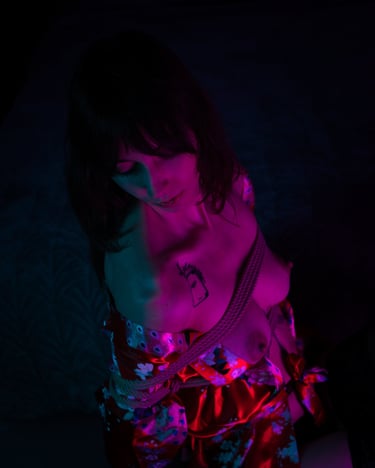
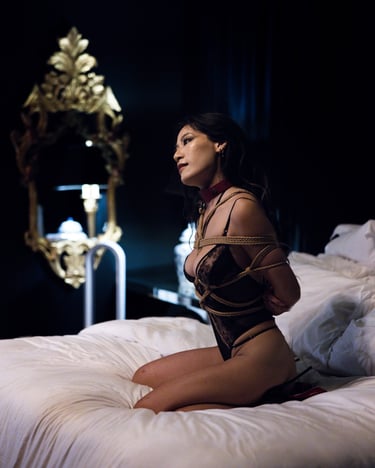
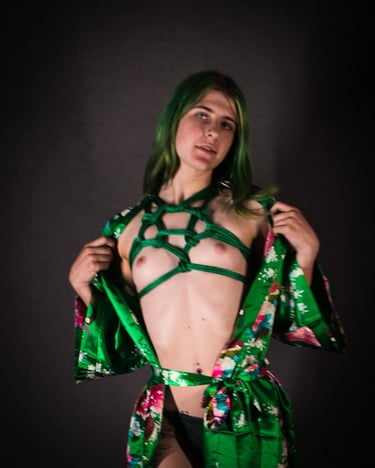
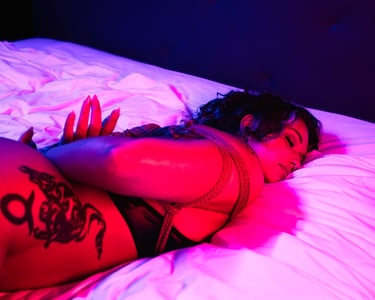

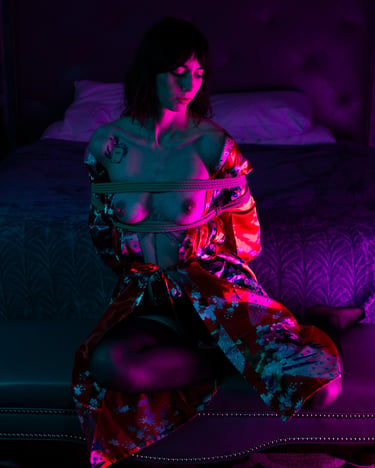
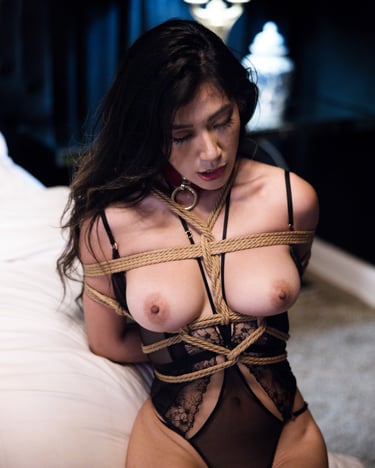
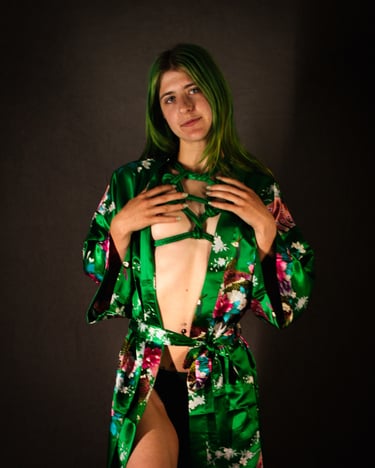
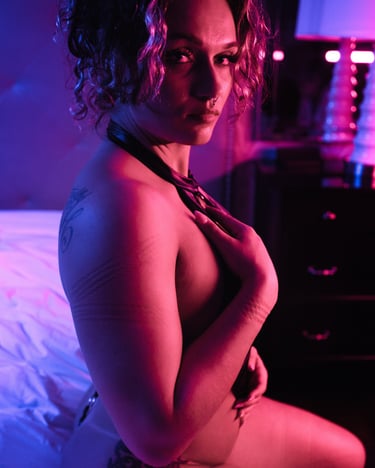
Some time ago, a local, well known and respected boudoir photographer approached me about tying one of her repeat clients for an upcoming session.
The request intrigued me.
I am primarily known for shooting Shibari, though I also shoot boudoir. Even so, I had always treated them as separate parts of my work. Boudoir was boudoir. Rope was rope. That conversation simply made me realize they did not necessarily exist separately. For the right client, in the right session, Shibari could become part of the boudoir experience rather than something entirely separate from it.
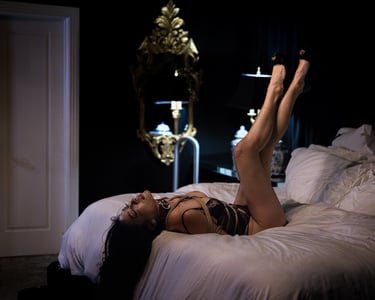
At its core, boudoir has never been about pretty pictures in lingerie.
The best boudoir work has always been about something deeper. It is about confidence, vulnerability, and sensuality. It can be about feeling powerful, rebuilding, reclaiming, or reconnecting with parts of yourself that get buried beneath expectation, routine, or simply the weight of life.
Shibari does not replace those experiences. For some clients, it complements them and deepens them in different ways. Shibari adds another layer to the boudoir experience. That may show up in how someone feels in front of the camera. It may look like confidence. Or simply a stronger sense of presence in their own body. The intention is often the same: helping someone connect with themselves in a meaningful way.
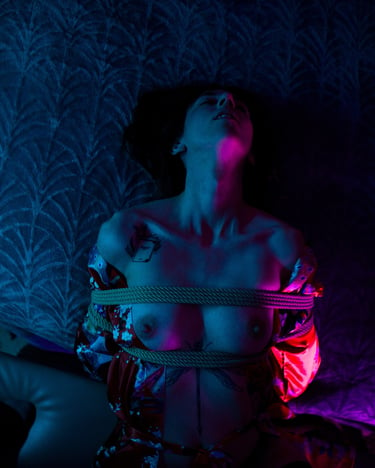
Rope emphasizes posture, body lines, and negative space while adding texture, framing, and mood. Whether minimal or elaborate, it creates a visual language that feels distinct while still working naturally within boudoir.
That visual shift is only part of it. Something changes in front of the camera as well. The experience itself becomes part of the image. People settle into the moment differently. Expressions become quieter, less posed, and sometimes more inward.
And that shift matters.
It is easy to become distracted by knots, patterns, or technical complexity, but the images that stay with people are usually the ones that reveal something about the person in front of the camera. The rope matters in the same way lighting, styling, or wardrobe matters. It supports the story rather than becoming the story. That is why I often say to focus on the client, not the rope.
None of this means rope belongs in every boudoir session. Not every client will connect with it, not every photographer will want to explore it, and not every story needs it. But for some clients, Shibari offers another way of telling stories about confidence, rebuilding, vulnerability, sensuality, or simply being fully present in a moment.
At its best, Shibari does not take over an image. It supports it. The rope becomes part of the story while the focus remains where it has always mattered most: the person in front of the camera.